E-commerce operators spend tens of thousands a month on achieving clicks. Then what?
The Click Trap
There’s a particular kind of madness that’s become entirely normalised in e-commerce, and almost no one talks about it. Companies will spend £30,000, £50,000, even £100,000 a month on pay-per-click advertising without flinching. The invoices get approved, the campaigns get launched, and the dashboards light up with impressions and clicks. Everyone feels busy. Everyone feels like something is happening.
Then a visitor lands on the site — and that’s largely where the thinking stops.
The economics of this are worth sitting with for a moment. If you’re spending £50,000 a month on PPC and converting at 1.5%, that means 98.5% of the people you paid to bring to your door walked straight back out again. You don’t just accept that. You optimise around it. You spend another £5,000 next month to get more of them in, and the cycle continues.
What very few brands do is ask the more uncomfortable question: why are they leaving?
Conversion rate optimisation — the discipline of actually understanding what happens after the click — is treated as optional. A nice-to-have. Something to get to eventually, once the ads are “working.” But the ads are never really working if the site isn’t converting. You’re just buying traffic and calling it growth.
The imbalance is staggering. Businesses that wouldn’t dream of increasing their ad budget without sign-off from three stakeholders will let their product pages, checkout flows, and user experience drift for months without a single structured test. No heatmaps. No session recordings. No A/B testing. Just a vague sense that the site looks fine and the product is good, so something else must be causing the drop-off.
That something else is rarely mysterious. It’s slow load times. It’s a checkout that asks for too much too soon. It’s product descriptions written for search engines rather than humans. It’s trust signals that are missing, returns policies that are buried, or a mobile experience that was built as an afterthought. These are solvable problems. But you have to be looking for them. Conversion is key!
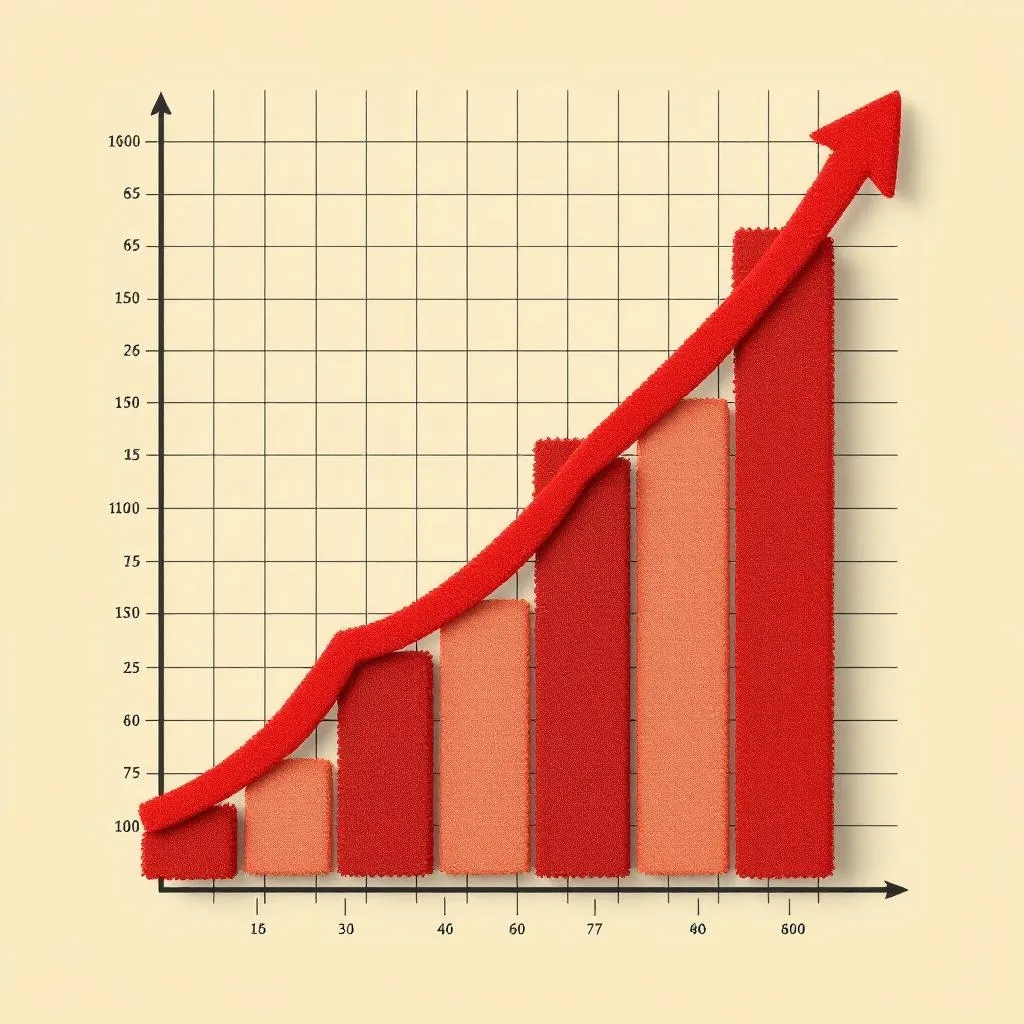
The uncomfortable truth is that increasing conversion by even half a percentage point — from 1.5% to 2% — has the same revenue impact as a significant increase in ad spend, but costs a fraction of the price. The traffic is already there. You just need more of it to say yes.
Part of the problem is where attention flows in most marketing teams. PPC is visible, fast, and easy to report on. You can show a click-through rate in a Monday morning meeting and it feels like progress. Conversion work is slower, less glamorous, and harder to explain to a board that’s already comfortable with the idea of buying traffic.
But comfort is expensive when it’s pointing in the wrong direction.
The brands that will win the next phase of e-commerce aren’t necessarily those with the biggest ad budgets. They’re the ones who got serious about what happens after the click — and stopped mistaking traffic for traction.
If you would like to find out how to achieve a better conversion, reduce PPC spend and increase sales conversion – get in touch. hello@feelsgreatcommerce.co.uk